
The importance of a human rights lawyer cannot be overstated in today’s world where injustices abound. Whether standing trial for the disadvantaged, advocating for policy reform, or representing political prisoners, these dedicated professionals work tirelessly to secure rights and freedoms for all individuals.
Understanding the Role of a Human Rights Lawyer
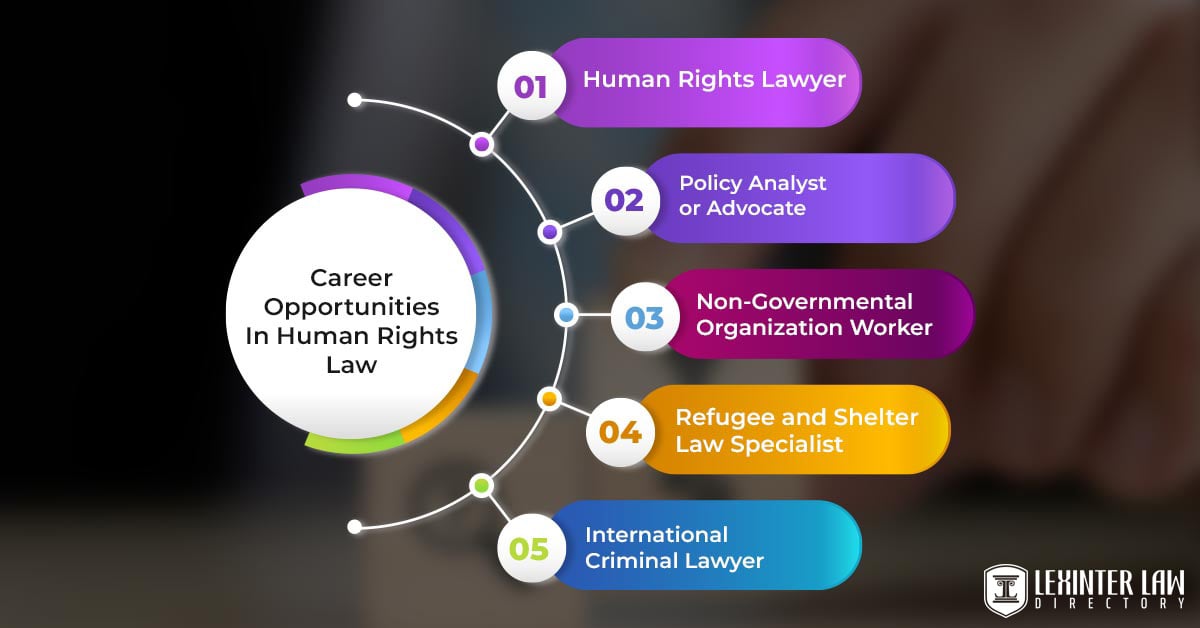
Human rights lawyers are legal professionals who specialize in cases and issues that deal with the protection and promotion of fundamental rights and freedoms. Their work spans various areas including civil rights, environmental justice, and international human rights law. These lawyers often operate within non-profit organizations, NGOs, or as independent practitioners working on cases that contribute to social change.
The Importance of Advocacy
At the core of every human rights lawyer’s mission is advocacy. They serve as the voice for those who cannot speak for themselves, representing clients who may be marginalized, oppressed, or facing systemic discrimination. Cases may involve refugees fleeing persecution, individuals detained without trial, or groups facing discriminatory laws.
Human rights lawyers work not only to defend individual cases but also to influence broader societal change. By taking on high-profile cases, they can draw attention to injustices and inspire reforms at institutional and governmental levels. Moreover, they often engage in public education efforts, assisting communities in understanding their rights and the legal recourses available to them.
Challenges Faced by Human Rights Lawyers
Despite the noble and necessary work that human rights lawyers perform, they often face considerable challenges. In many regions, human rights lawyers are threatened, harassed, or even killed for their efforts to uphold justice. They may work in environments that are politically hostile or where legal systems are corrupted.
Another significant challenge is the emotional toll that this kind of work can take. Dealing with cases of suffering and injustice can lead to burnout and mental health crises among lawyers. The relentless nature of the work, coupled with minimal resources and support, makes it a difficult path to walk.
Skills Needed to Succeed
To be effective advocates, human rights lawyers must possess a diverse set of skills. Strong legal research and analytical abilities are essential, along with excellent communication skills for articulating complex legal concepts to various audiences, including clients, the public, and the courts.
Moreover, cultural competency and sensitivity are vital since human rights lawyers often work with clients from diverse backgrounds and cultures. Understanding the unique contexts and challenges different communities face helps lawyers provide better representation and advocacy.
Impact on Society
The impact of human rights lawyers extends far beyond individual cases; it influences societal norms and fosters a culture of accountability. Successful advocacy can lead to landmark decisions that set important legal precedents and encourage policy changes aimed at enhancing human dignity.
For example, landmark rulings in cases involving freedom of speech, gender equality, and anti-discrimination laws have often been the result of the relentless efforts of human rights lawyers working within various legal systems. These milestones not only provide justice for individuals but also enhance the rule of law and encourage respect for human rights within the broader society.
Global Perspectives
Human rights law is a global field, with varying degrees of acceptance and implementation worldwide. In some countries, legal frameworks are robust, and human rights advocacy is respected; in others, the situation is grave, with significant backtracking on established rights.
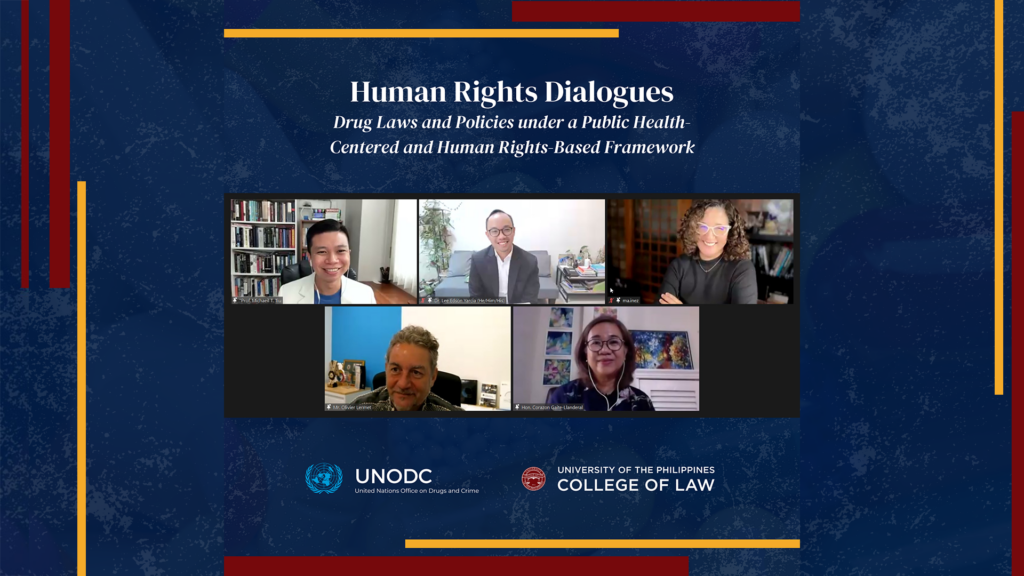
The international legal system, including bodies like the United Nations and regional courts, is designed to support and guide the work of human rights lawyers. However, enforcement remains a complex and often difficult task that requires continued pressure from civil society, including the media and citizen advocates.
The Future of Human Rights Law
The role of human rights lawyers is evolving especially in context to technology and globalization. The digital age has introduced new challenges and avenues for advocacy, making issues like privacy rights and online censorship increasingly relevant. As countries grapple with the effects of global issues such as climate change, human rights lawyers will likely play a crucial role in advancing environmental justice as a human right.
Furthermore, as society progresses, new movements regarding various rights—including climate justice, LGBTQ+ rights, and indigenous rights—have emerged. Human rights lawyers are at the forefront of these movements, shaping the narrative and pushing for recognition and policy changes that reflect the changing tides in societal values.
Conclusion
Human rights lawyers embody resilience in the fight for justice and equality. Their commitment to defending the voiceless and holding power accountable is vital for a functioning democracy and society. As they navigate the challenges inherent in their work, it is our collective responsibility to support and uplift their efforts, acknowledging the indispensable role they play in advocating for a more just world.
Ultimately, human rights are not just a legal matter; they are a moral imperative. The ongoing battle for these rights requires not only dedicated lawyers but also informed citizens who understand the importance of human dignity and justice. By educating ourselves and others about human rights issues, we all contribute to a culture that values and protects the rights of every individual.